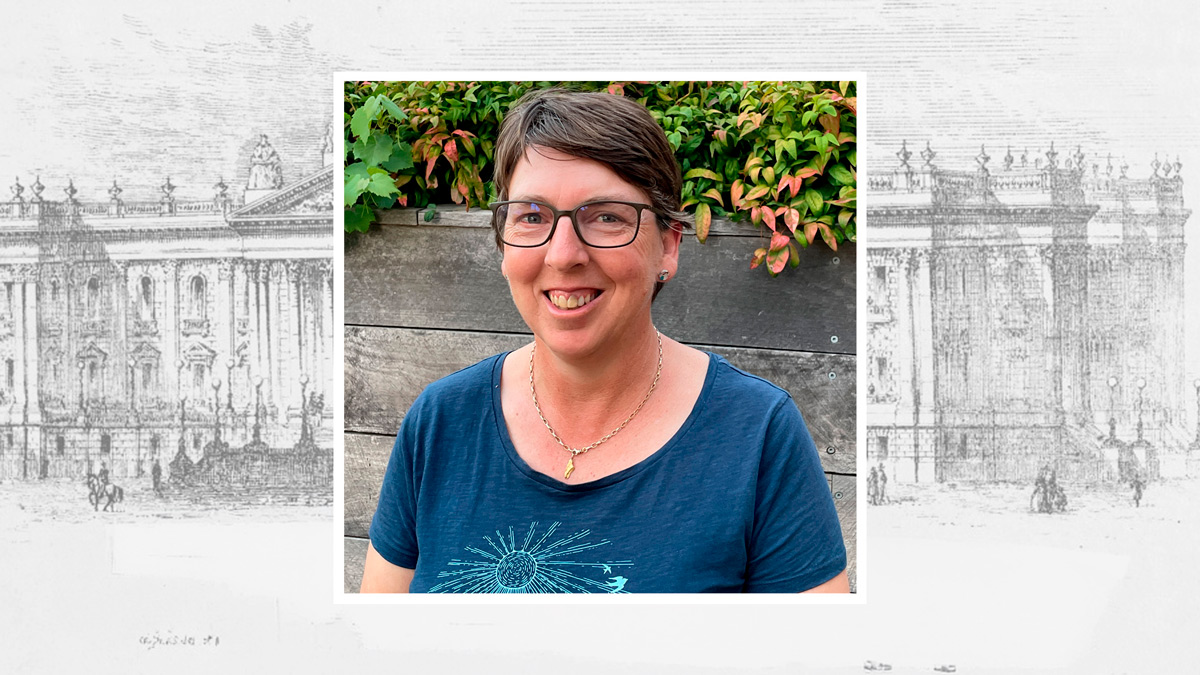
With Victoria voting on 28 November 2026, the Bellarine independent talks childcare close to home, country roads and who gets a say on wind farms.
A broken footpath can turn a teenager’s after-school shift into another trip their parents have to make. That’s where Kate Lockhart goes when I ask her what she will do about the cost of living.
“If we can have some connected footpaths between school, services and shops, it means those students can exercise their independence, circulate within the community, be fitter, be happier, be more resilient,” she says. “And parents, to be quite honest, can keep working, keep doing the things that they do best.”
Lockhart is running as an independent for Bellarine in the Victorian election on Saturday 28 November 2026. Where footpaths peter out between towns and new estates, she says, an older person can find themselves relying on a lift to the doctor or the bank. “They’re losing independence, which means they’re losing connectivity, they’re losing confidence.”
Community independent
“I confess I have always been a reluctant politician, to be honest,” she tells me. She finished with 48.8 per cent after preferences in Greater Geelong’s Murradoc Ward in 2024, then ran as a community independent for Corangamite at the 2025 federal election.
When Lockhart was weighing up a run, she says, Labor incumbent Alison Marchant was the only woman she saw among the candidates. “I thought, gosh, someone should stand. Hang on, I’m the one that’s got the local experience and the past candidate experience.”
A local man she knew was also running for One Nation. Lockhart calls Marchant “a good local Labor member” and thinks some voters are looking for a way to register their discontent. “I don’t think that One Nation is the solution to a protest vote,” she said. “So I’m keen to give people a choice.”
Would a vote for her count as a protest? “Come on, major parties, do better!” is how she puts her protesting.
Accountability and education
Accountability stands high on Kate's list of priorities.
“I’m always nervous about ‘just trust me’,” she says when I ask why voters should trust her. She points to 20 years of community work on the Bellarine. “I haven’t always been right,” she says. “I just want the best decision and that comes with listening and with gathering the facts, and looking for a practical solution.”
“Education is the great equaliser,” she tells me when I ask what she most wants Victoria to get right. For families who can’t find childcare in Portarlington or St Leonards, getting a place in Drysdale can mean a 20-minute drive each way.
“If you’re paying for childcare, you want to be working, not driving,” Lockhart says. She’d like to see care close enough for neighbours to walk there together. “Maybe they can have a walking school bus or pram bus to and from childcare.”
A state-run childcare and kindergarten centre is due to open next to St Leonards Primary School in early 2028.
Roads in need of repair
“They really are rubbish,” Lockhart says of the region’s roads. She recalls driving to Colac every week for work and watching the Princes Highway deteriorate. “I am worried about that, to be honest. Because that’s intergenerational stuff that needs rebuilding.”
She sees the productivity gains in removing Melbourne’s suburban level crossings. “They became very expensive, I think. And that is hard for country people who are bouncing through potholes in their school bus or their fire truck that’s decades old.”
Lockhart’s third priority, after education and infrastructure, is integrity and transparency. “We need fact-based decision-making,” she insists.
She backs electrifying homes and says renewables are economically viable in Victoria. “I do think regional Victoria is feeling a bit disillusioned with the imposition of that infrastructure because it seems to be done in a heavy-handed manner without genuine consultation.”
She wants regional residents to be able to see how a route for a new power line is chosen and how compensation is worked out. “When you don’t provide people with enough information, then they tend to fill the gaps with disinformation,” she says.
Play a long game
Lockhart recalls a possible wind farm involving her family. The developer would not disclose what a neighbour had negotiated for potential turbines. These were people who had traded sheep through holes in fences for generations. “And so that leads to mistrust amongst neighbours,” she explains. “You’ve got to be open and you’ve got to play a long game.”
She points to Hepburn Wind, the community-owned project at Leonards Hill near Daylesford, as an example of how the people living near the turbines can have a stake in them. “They’re getting some insight into the profitability of these wind farms and they’re sharing that benefit.”
When I ask what she will say to voters, Lockhart urges them to “look behind the headlines and the Facebook noise”. She asks them to think about an elderly mother who might need aged care, or about the future their daughter might face.
“Are you the most important voter in your family - or should you actually rather be voting for your children?”
► You can find more information about Kate Lockhart on www.katelockhart.au
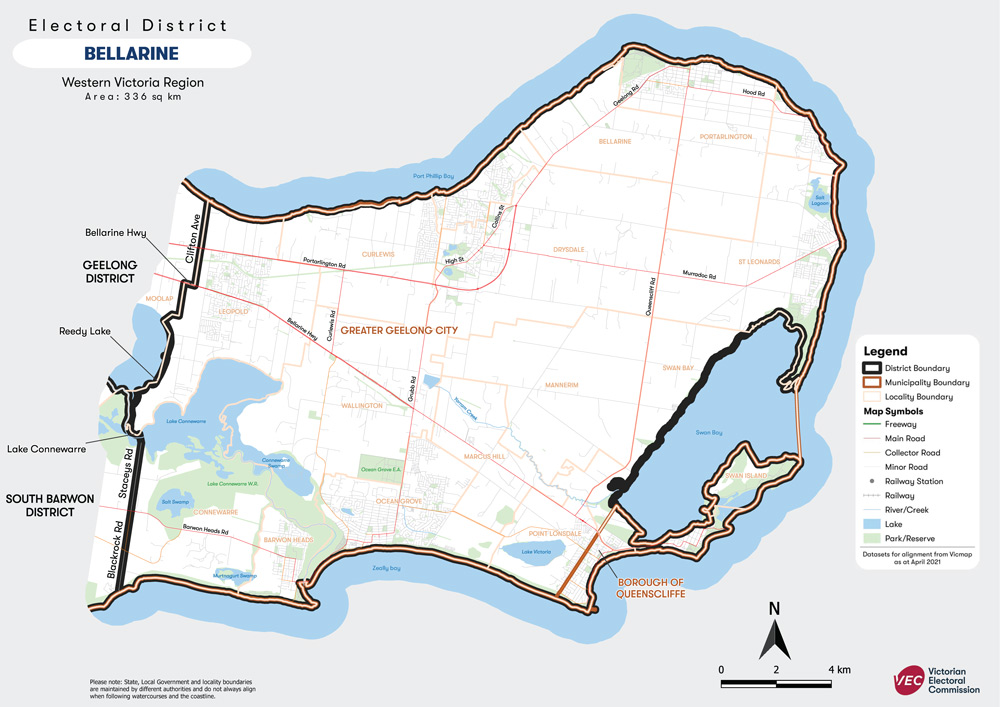
Candidates for Bellarine District
• Callum Whitehead, Liberal
• Alison Marchant, Australian Labor Party
• Ross McRae, One Nation Victoria
• Ronan Keogh, Victorian Socialists
• Kate Lockhart, Independent
• Guy Manuell, Family First
• Dom Williams, Socialist Alliance
• Mitch Pope, The Greens
Sources